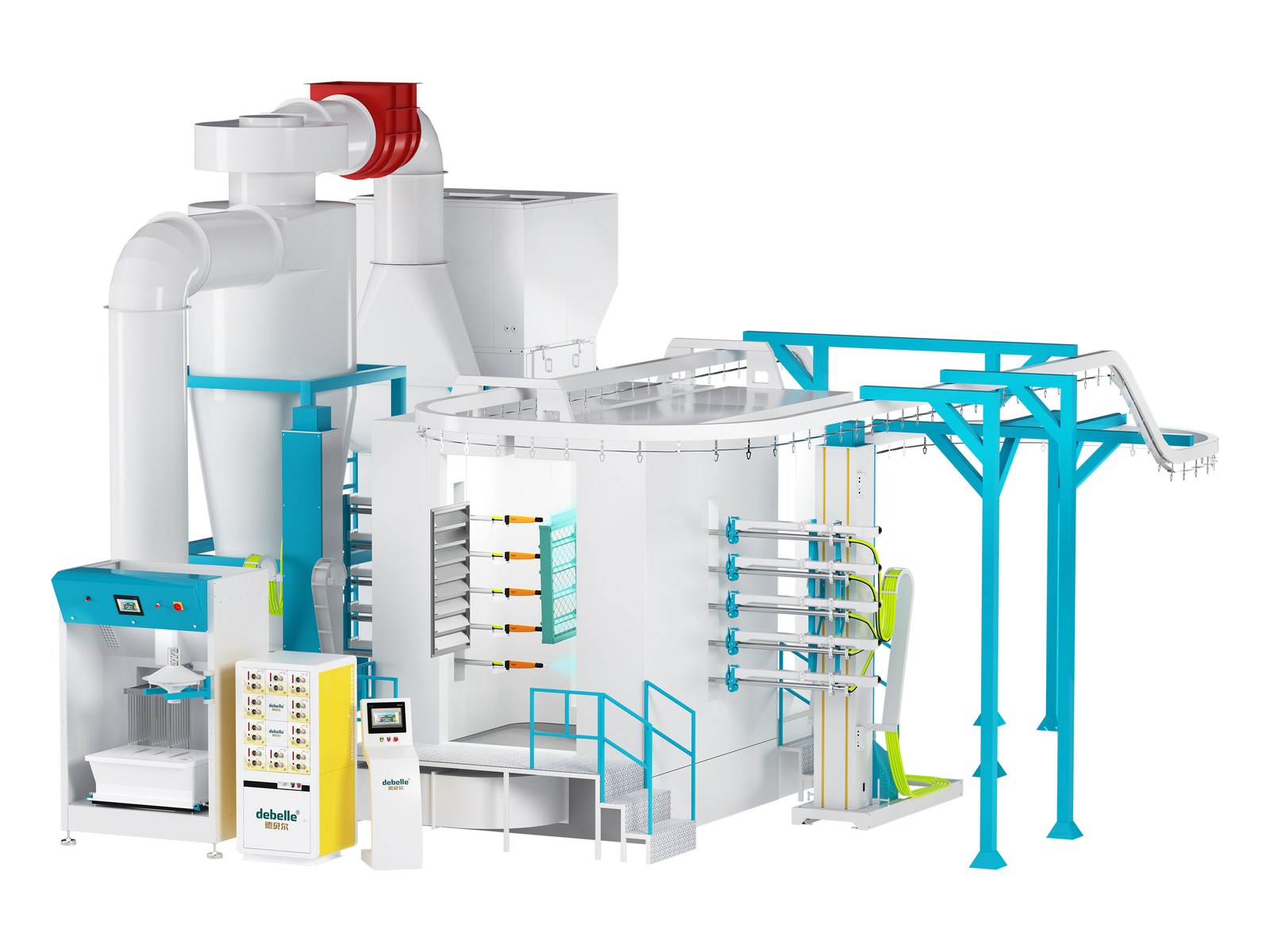
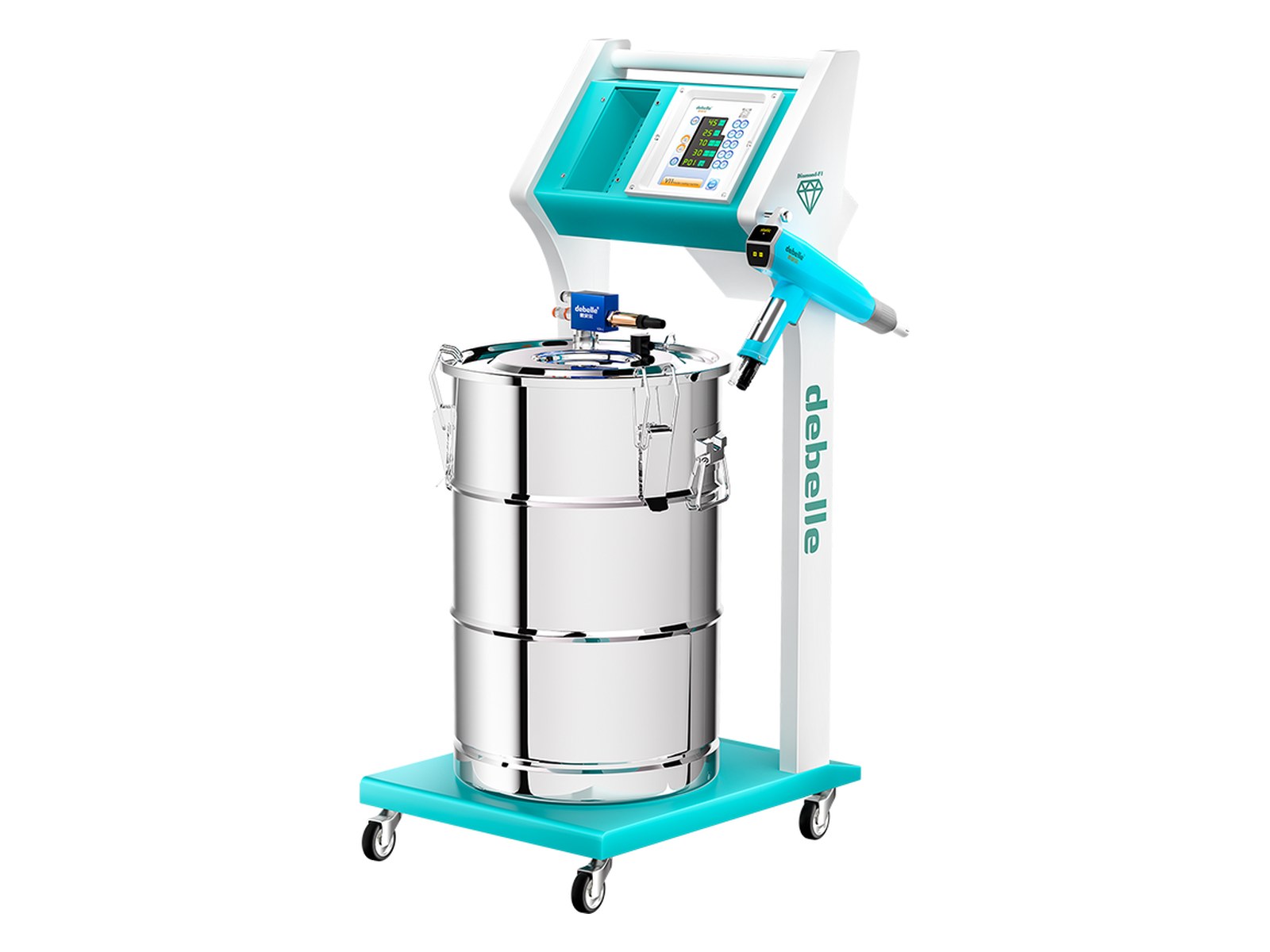
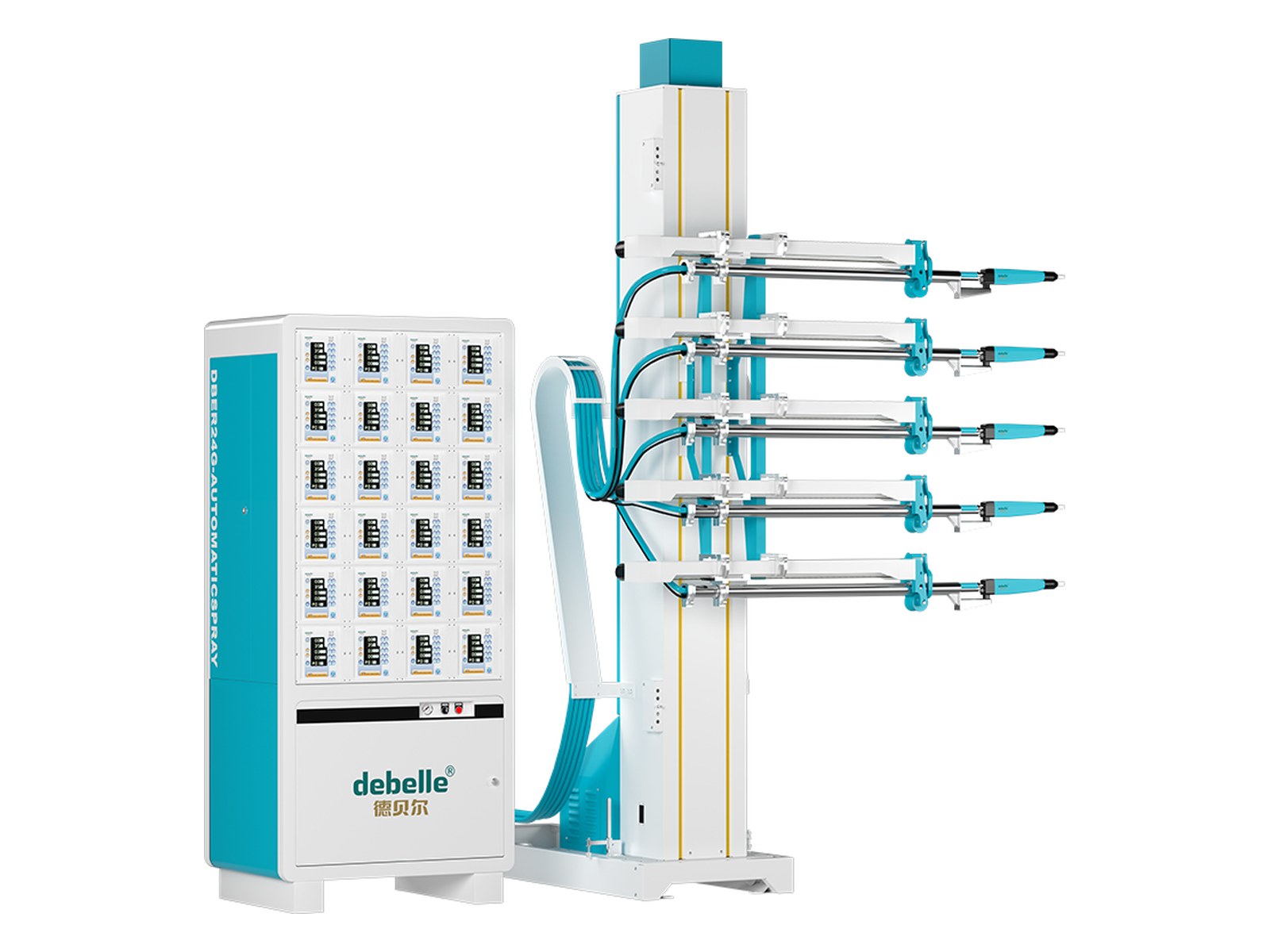
Most buyers overpay because they look at models first and workflow second. The right order is: decide manual vs automatic from your parts and output, then compare models on a short list of hard specs. This article answers one question: what to check, and in what order, when buying a powder coating gun in 2026.
Step 1: Manual or Automatic — Decide by Parts and Cycle Time
Neither type is better in general; the answer depends on the shape of your work. Use this table:
| Factor |
Lean manual |
Lean automatic |
| Batch size |
Small batches, one-offs, samples |
Same parts sprayed continuously, fixed shifts |
| Part shape |
Mixed shapes and sizes |
Uniform parts on fixed hangers |
| Color changes |
Many colors, frequent changes |
Few colors, long runs |
| Labor |
Skilled sprayer available |
Reduce dependence on operator feel |
| Existing line |
No automatic line |
Reciprocator or conveyor in place or planned |
One detail is easy to miss: an automatic line runs longer per day, so wear parts degrade faster than on manual guns. Plan a separate inspection cycle per shift, and include that in your cost calculation.
Step 2: Five Hard Specs for a Manual Gun
Check these five items against the product spec sheet:
- Output voltage range. Entry-level 0–85 kV covers flat panels; for tricky work such as metallic powder, recoated parts or grooved parts, a 0–100 kV unit leaves room to dial parameters down.
- Output current. Normally 0–100 microamps adjustable, set per powder type.
- Powder output. Typically 0–500 g/min adjustable; match it against your line cycle time.
- Control type. Regulator-valve guns are simple to learn; electronic precision flow valves give finer control when parameters must be written into a process card.
- Air consumption. Budget no more than 0.3 m3/min per gun, and size the compressor, air tank and piping for multi-gun setups — unstable air pressure is the most common cause of uneven powder output.
| Model |
Output voltage |
Powder output |
Control type |
Positioning |
| E7 |
0–85 kV |
0–500 g/min |
Regulator valve |
Entry level, auto-tracking |
| TOP960 |
0–90 kV |
0–500 g/min |
Regulator valve |
Professional |
| T30L |
0–100 kV |
0–450 g/min |
Electronic flow valve |
All-round, smart data packs |
Note: the voltage shown on the control panel differs from the actual output at the gun tip by roughly one tenth (affected by air humidity). When accepting a new gun, measure each setting at the tip with a high-voltage tester instead of trusting the panel.
Beyond the five specs above, check three more — they are where automatic lines develop problems later:
- Linkage and program memory. The control cabinet should link multiple gun models and store parameters per part, so you recall a program instead of retuning by hand.
- Mounting rigidity. The support tube must be steel. A weak tube makes the gun vibrate during operation, which directly hurts coating accuracy — a recurring finding in service cases.
- Powder hose grade. Select the hose by powder volume: a narrow hose for low output and fine atomization (aluminum profiles, lighting parts); a medium hose for heavy, thick-coated hardware; a wide hose for very high output work such as aluminum ceilings. The wrong grade starves the pump or worsens atomization.
Step 4: Set Parameters by Part Type, Then Match Models
Before comparing models, list the target parameters for your own part types and check whether a gun’s ranges cover them:
| Part or powder type |
Voltage range |
Current range |
| Flat panels |
70–90 kV |
40–60 microamps |
| Grooved parts |
60–80 kV |
30–50 microamps |
| Metallic powder |
60–80 kV |
30–50 microamps |
| Textured (sand) powder |
50–70 kV |
10–30 microamps |
| Recoated parts |
20–40 kV |
10–30 microamps |
(The ranges above are common starting points; confirm by trial spraying and measurement with a high-voltage tester on site.)
Circle the rows that apply to you. The gun’s adjustable ranges must cover all of them at once; if they do not, operators end up compensating with gun distance and atomization, and film thickness consistency becomes hard to hold.
Selection Path: Requirement to Tier
Combining the four steps above into one table:
| Your situation |
Recommended tier |
| Limited budget, simple parts |
Entry manual gun (E7 or TOP960) |
| Fine numeric control, parameters in process cards |
V11 / V12 |
| Smart features and ease of use first |
T30 series |
| Explosion-proof zones |
ES600 explosion-proof model |
| First step into automation |
Entry automatic gun with regulator valve |
| Standard automated line |
V11 / V12 automatic |
| Smart factory, high-output line |
T30 / T30-L with central control |
When in doubt, follow one principle: choose the gun that fits the part, not the more expensive gun.
Checklist
Not sure which configuration fits? Send us photos, dimensions and daily output through the contact page, and we will suggest a setup based on this logic — sample spraying first where needed, with measured data before you commit. To browse specific models, start with the E7 manual powder coating gun and the V12 automatic powder coating gun product pages.