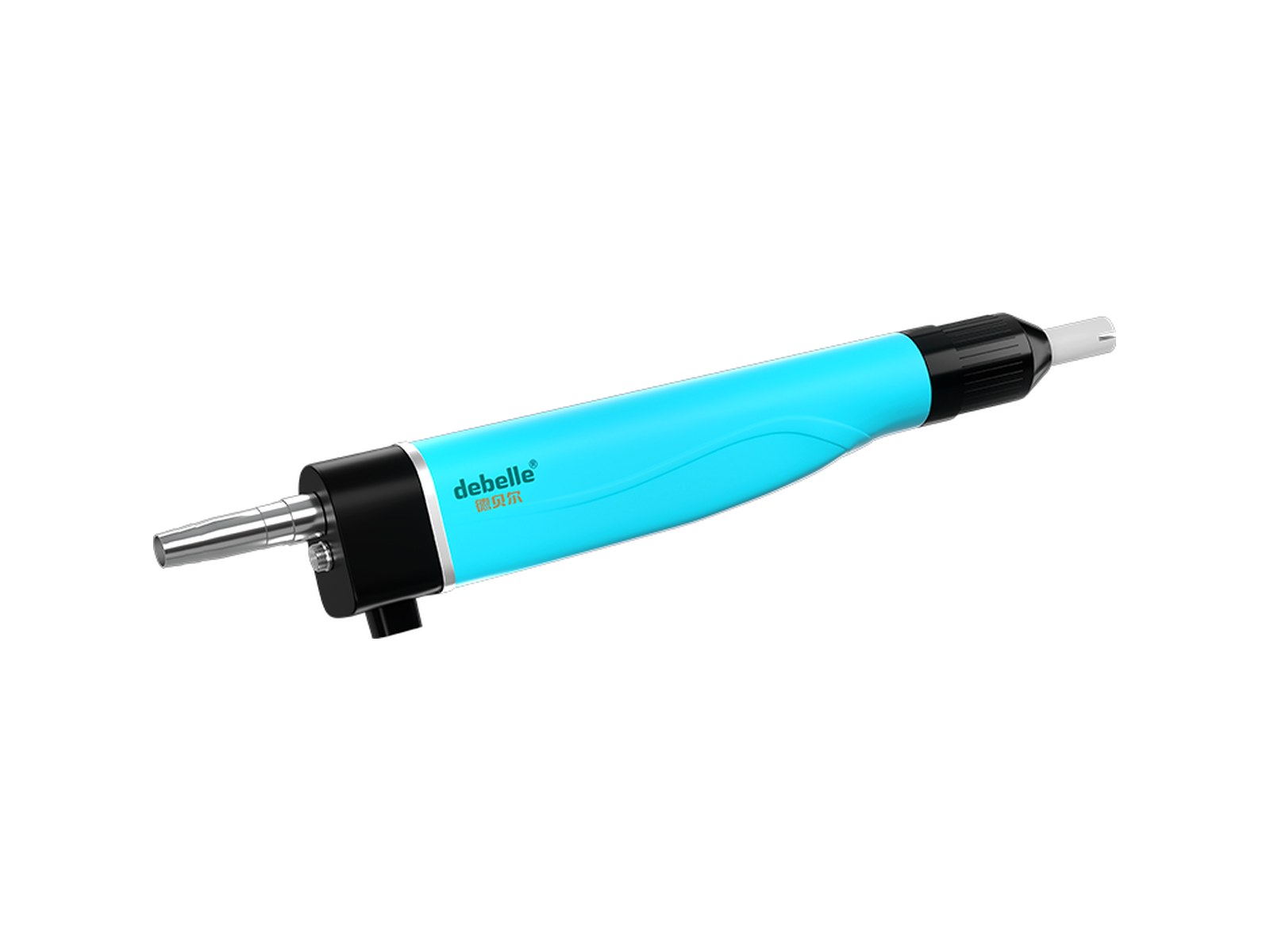
Two identical batches of parts, one through a powder line and one through a liquid paint line, produce very different numbers. There is no universal answer, but three accounts can be settled: labour and process steps, material and energy, and environmental compliance. Once those are on paper the direction is usually obvious. The common mistake is comparing the price per kilogram of coating and stopping there.
The two process chains
The powder chain is short: pretreatment, hang, electrostatic spray, cure, unhang. Powder takes a charge at the gun, is pulled onto the grounded part by the field, then melts and cures in the oven. What comes out is the finished film, with no filler and no sanding in between.
The liquid chain is much longer: primer, putty, sanding, dust removal, intermediate coat, touch-up putty, sanding, dust removal, topcoat, bake. Each step needs its own flash-off or bake. Primer is typically baked at 80°C for 30 to 60 minutes, while the intermediate coat and putty each take 70°C for 30 minutes, in separate oven passes.
The difference lands in three places: how many times the part is handled, how many stations it occupies, and how much rework risk each extra handling adds.
| Item |
Powder coating |
Liquid painting |
| Pretreatment |
Degrease, rinse, conversion coat, dry |
Same sequence, same requirements |
| Film build |
One spray builds the film; thickness by settings |
Primer, intermediate and topcoat stacked |
| Putty and sanding |
Normally not needed |
Putty plus two sanding steps, mandatory |
| Cure |
150-200°C for 15-20 minutes, common powder reference |
Staged bakes from 70-80°C, topcoat separate |
| Rework |
Blow off and respray |
Sand and touch up, colour match risk |
Cost: material use beats unit price
Overspray powder is recoverable and can be blended back with virgin powder. Liquid overspray becomes mist captured by a water curtain or dry filters and cannot be reused. Unit price therefore misleads: a kilogram of powder costs more than a kilogram of paint, but a larger share of it lands on the part.
Powder carries its own cost item: colour change. Changing colour means cleaning the gun, the powder tube and the booth, and the cost rises with the colour count and falls with batch size. Liquid changes are faster, usually a few minutes to a quarter of an hour for a gun wash.
Energy is counted per oven pass. Powder runs one bake at 150-200°C for 15-20 minutes. Liquid runs several low-temperature bakes: lower per pass, but more passes, longer total time in the oven, plus power for the sanding stations.
Use this formula for cost per part:
Cost per part = (coating price × consumption per part ÷ deposition efficiency) + energy per part + labour hours × rate + rework rate × rework cost
All four inputs are measurable on site: weigh consumption, read sub-meters, time the operations, count rejects over one week.
| Cost item |
Powder coating |
Liquid painting |
How to measure on site |
| Material use |
Overspray recovered and blended |
Mist loss, not recoverable |
Weekly issue weight ÷ good parts |
| Colour change |
Gun and booth cleaning, rises with colour count |
Paint swap and gun wash, faster |
Log downtime minutes per change |
| Energy |
One high-temperature bake |
Several low-temperature bakes |
Sub-meter readings for gas and power |
| Labour |
Spray plus load and unload |
Spray plus putty plus two sanding steps |
Time each part through the line |
| Rework |
Blow off and respray |
Sand and touch up, colour match risk |
Weekly rework count ÷ total |
Durability: pretreatment and cure decide, not the process name
Buyers often ask whether powder lasts longer than paint. The accurate version is that both depend on the same two things: clean pretreatment and a complete cure. Of the five common causes of film loss, three have nothing to do with the coating type: soiled pretreatment, insufficient cure, and oil or corrosion left on the part.
What powder does well is film thickness and density. One pass builds a relatively thick film, edges are wrapped well, and there is no solvent escape path left in the film. The price is cure temperature: an oven at 150-200°C rules out heat-sensitive substrates. Recesses and shadow areas also suffer from electrostatic shielding, so voltage settings, gun distance and extension nozzles are the usual answers. Long profiles such as aluminium extrusions put a premium on edge wrap, which is covered in the aluminium profile coating page.
What liquid does well is flexibility. It can cure at low temperature or air dry, it can go on thin, colours can be mixed on demand, and local repair leaves almost no visible edge. The price is a thinner film, where abrasion and chemical resistance have to be built up coat by coat. Any one of those coats can carry a defect into the finished part, which is where cratering, particles and sagging usually come from.
So do not answer “how many years will it last” with a process name. Show three records instead: adhesion spot checks, film thickness distribution, and salt spray or humidity panels run for the duration the customer specifies. Same substrate batch, same pretreatment, one panel set per process. Put the data side by side and the argument ends.
| Measurable item |
Powder coating |
Liquid painting |
Test method |
| Film thickness |
Thicker per pass, set by parameters |
Built up coat by coat |
Gauge, five points per part |
| Adhesion |
Stable once fully cured |
Depends on primer and topcoat pairing |
Cross-cut or taped pull per customer standard |
| Edge coverage |
Wrapped by the field, generally good |
Needs touch-up, tends thin |
Cut edge inspection or visual comparison |
| Recesses |
Shielding effect, needs parameter changes |
Can be sprayed into |
Section a part or use a borescope |
| Corrosion |
Thick film helps, if cure is complete |
Set by the primer system |
Salt spray or humidity, duration per customer |
Compliance: read the local limits first
Powder is a solid and contains no solvent, so the application step itself releases no solvent vapour. Its environmental load sits in pretreatment chemicals, rinse water and waste powder disposal. Solvent-borne liquid coatings release VOC during application and need abatement equipment, whose capital and running cost is real money. Water-borne coatings cut VOC but need extra heat to drive off moisture and are more sensitive to shop humidity.
This account cannot be settled from the desk. Do two things first: check the VOC emission limits for your district and industrial park, and confirm whether you sit in a priority control area; then confirm the disposal route and unit cost for waste powder, paint sludge and pretreatment sludge. Where limits are tight, a solvent-borne plan may fail at the permit stage, and the cost comparison becomes irrelevant.
Five questions that set the direction
Fill these in with your own numbers and the direction is usually decided.
| Question |
Leans powder |
Middle |
Leans liquid |
| Substrate heat limit |
Metal, survives 150-200°C |
Some parts survive |
Plastic, wood, heat-sensitive |
| Batch and colour count |
Stable batch, few colours |
Medium |
Small batch, many colours |
| Film requirement |
Thick film, wear and weather resistance |
Standard |
Thin, fine appearance |
| Site and equipment |
Booth, recovery, oven, grounding |
Can be modified |
Paint booth only, no oven |
| Environmental limits |
Tight VOC limits locally |
Average |
Abatement already in place |
Three things to do before you decide
First, run a side-by-side trial. Take ten real parts, use one pretreatment line, run one set per process, and record time per part, coating weight used and rework count. This step regularly overturns paper conclusions.
Second, size the oven. Oven power, heat-up time and passes per shift, multiplied by local gas and power prices, give energy per part. For liquid, count every bake pass.
Third, list the supporting equipment. A powder line needs a booth, recovery system, cure oven and part grounding (ground rod driven 1.5 metres deep, part-to-ground resistance kept below 100 kΩ). A paint line needs mist abatement, a mixing room and staged bakes. Miss one item and the quotation numbers no longer hold.
Self-check list
Send us the substrate, part size, daily output and what you already have on site (oven, booth, mist abatement), and we will run these three accounts with you. If it helps, send samples first and let the measured data decide the configuration. Contact us