Typical Working Conditions in This Industry
Home appliance sheet metal parts (refrigerator side panels, air conditioner housings, washing machine panels, enclosures and cabinets) are characterized by:
- Large flat areas; any film thickness unevenness is visible to the naked eye
- Sensitivity to appearance color deviation; customers often compare against a reference panel with very tight tolerance
- Many edges and reinforcing ribs, and these are exactly where the electrostatic field is weakest
- High output; the line usually runs continuously
Three Core Problems and Responses
1. Bare Edges
The physics of electrostatic coating dictate the Faraday cage effect: the field at inner corners and internal cavities is shielded and powder struggles to adhere.
Responses:
- Use automatic or manual guns with an edge-compensating nozzle
- Arrange a secondary pre-spray station at recessed positions
- Raise voltage moderately but avoid exceeding the back ionization threshold (which shows up as pinholes and orange peel)
- Check workpiece grounding; poor grounding degrades coating on both edges and large flat areas
2. Film Thickness Fluctuation
Film thickness fluctuation comes mainly from three places: gun travel speed, powder output, gun distance.
Responses:
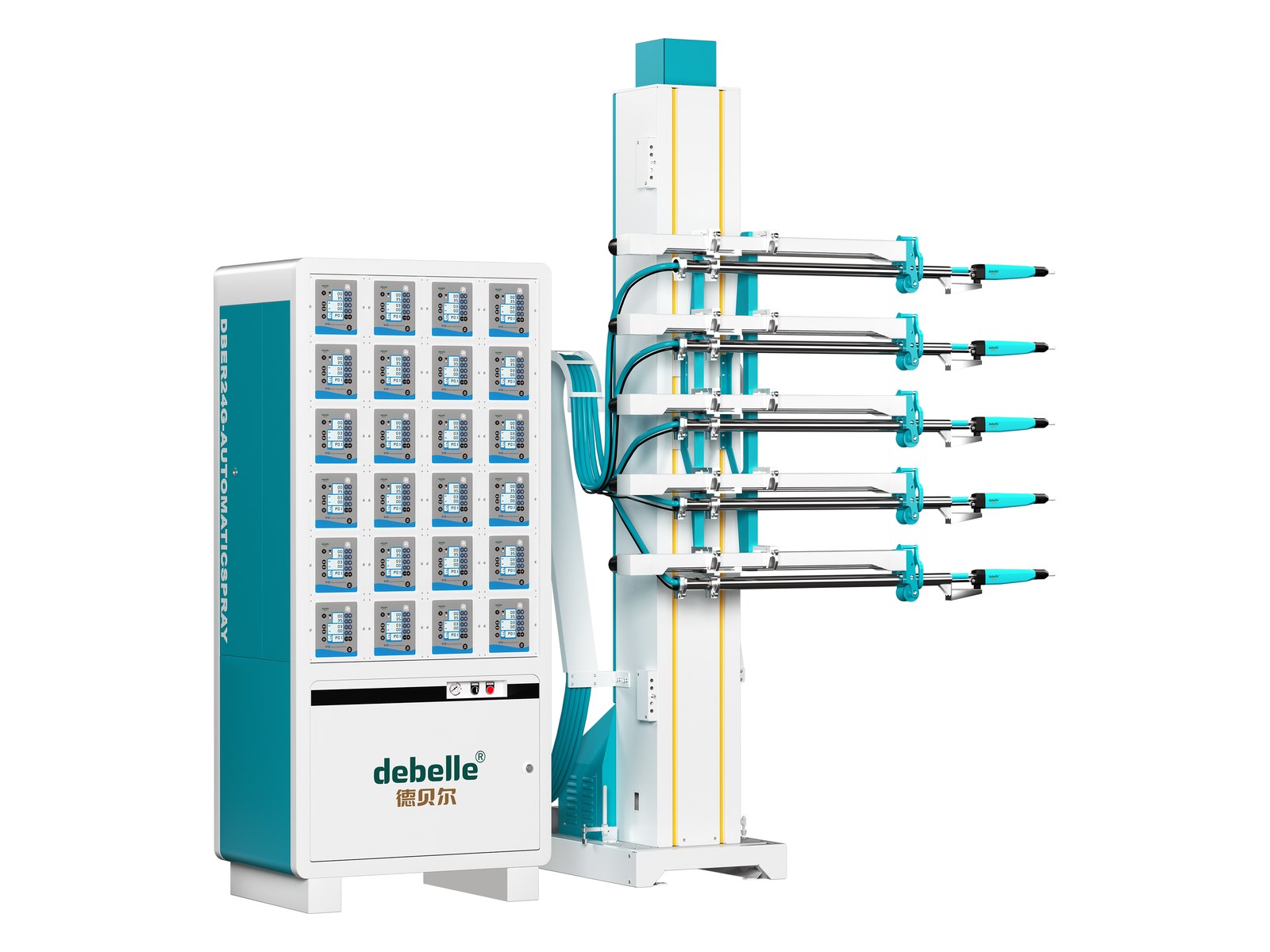
- Hand gun travel speed to parameters locked into the reciprocator, reducing manual intervention
- Stable powder output depends on the powder feed system (stable fluidizing air pressure, powder level not too low)
- Set gun distance with a fixed bracket or program control, not by eye
3. Color Change Cross-Contamination
Home appliance orders are large in volume but also have many colors, and cross-contamination usually appears in:
- Recovery system residue (cyclone, filter cartridge, ducting)
- Powder build-up on the booth inner walls
- Residue in the powder feed lines
Response: run a standardized checklist at color change, schedule production through the recovery system from light to dark within a color family,
and extend purge time when going from dark to light.
Consistency in Rework Touch-Up
The most common problem with rework touch-up is the difference in gloss and color between new and old powder.
Recommendations:
- Use the same powder batch as the main line at the touch-up station
- Sand or clean the original coating before touch-up, otherwise adhesion is insufficient
- Use the same curing curve as the original station after touch-up; do not shorten curing to save time
Recommended Configuration
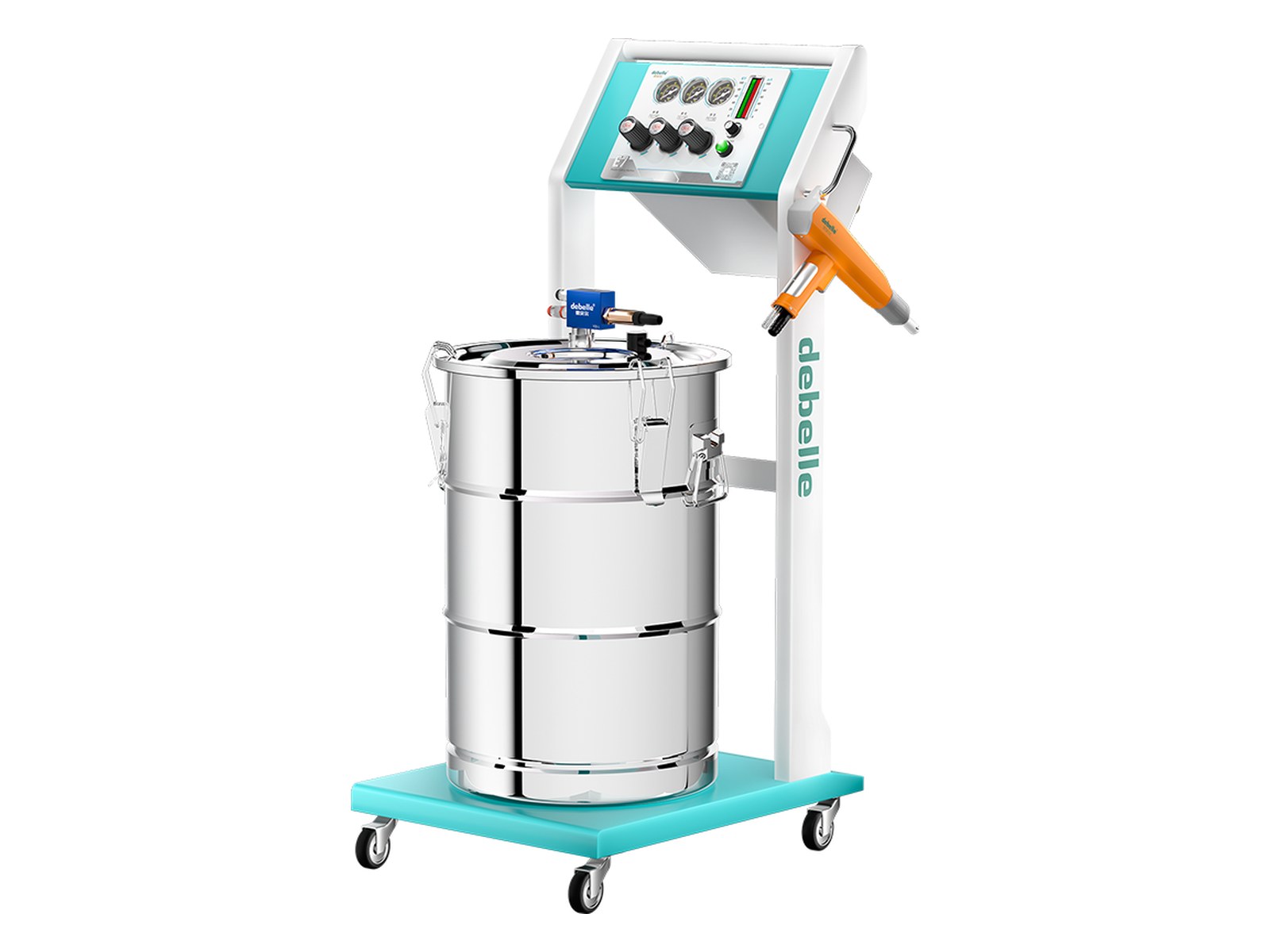
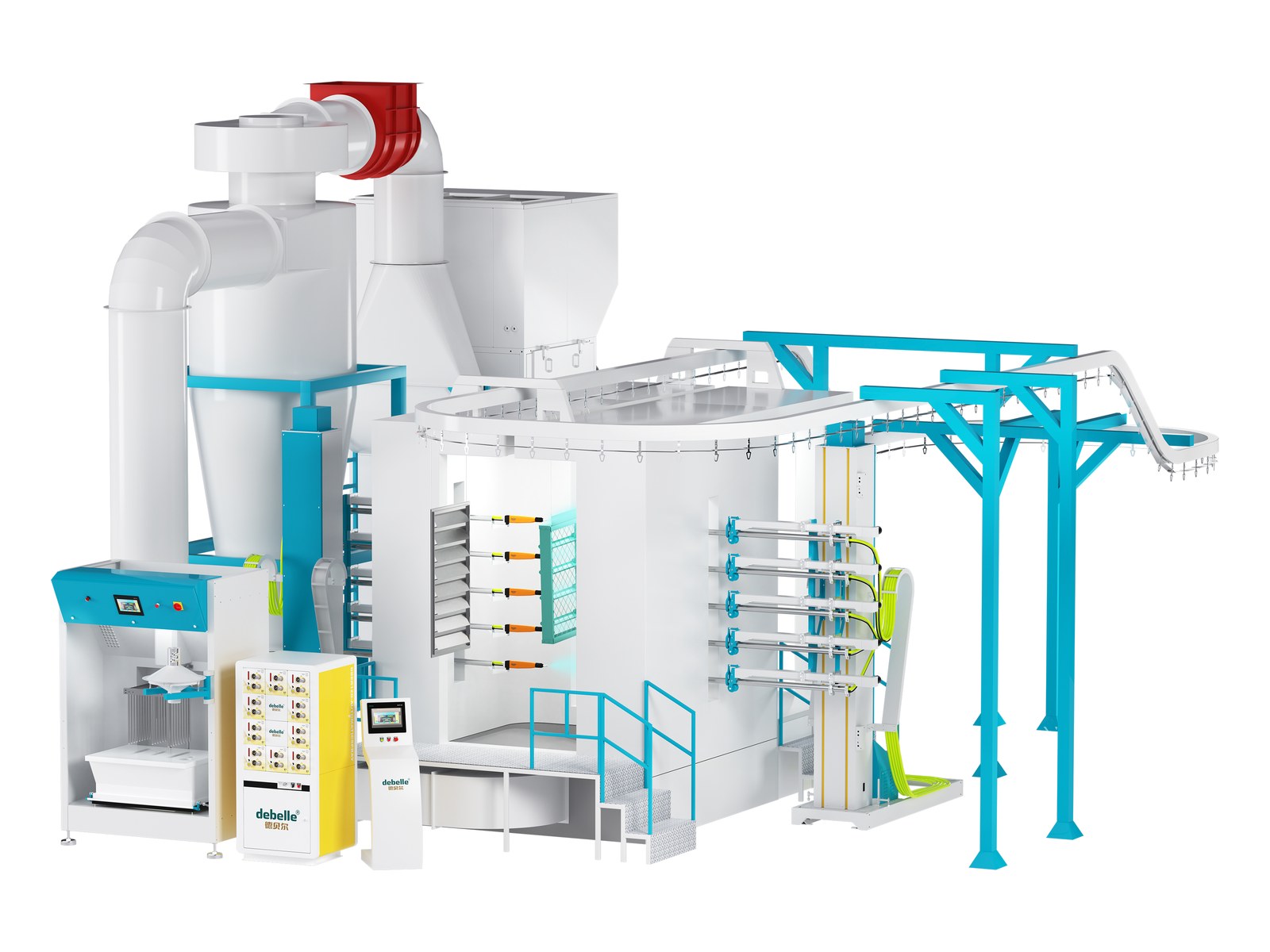
For large flat appearance parts we recommend an automatic guns + reciprocator solution with gun travel speed locked in;
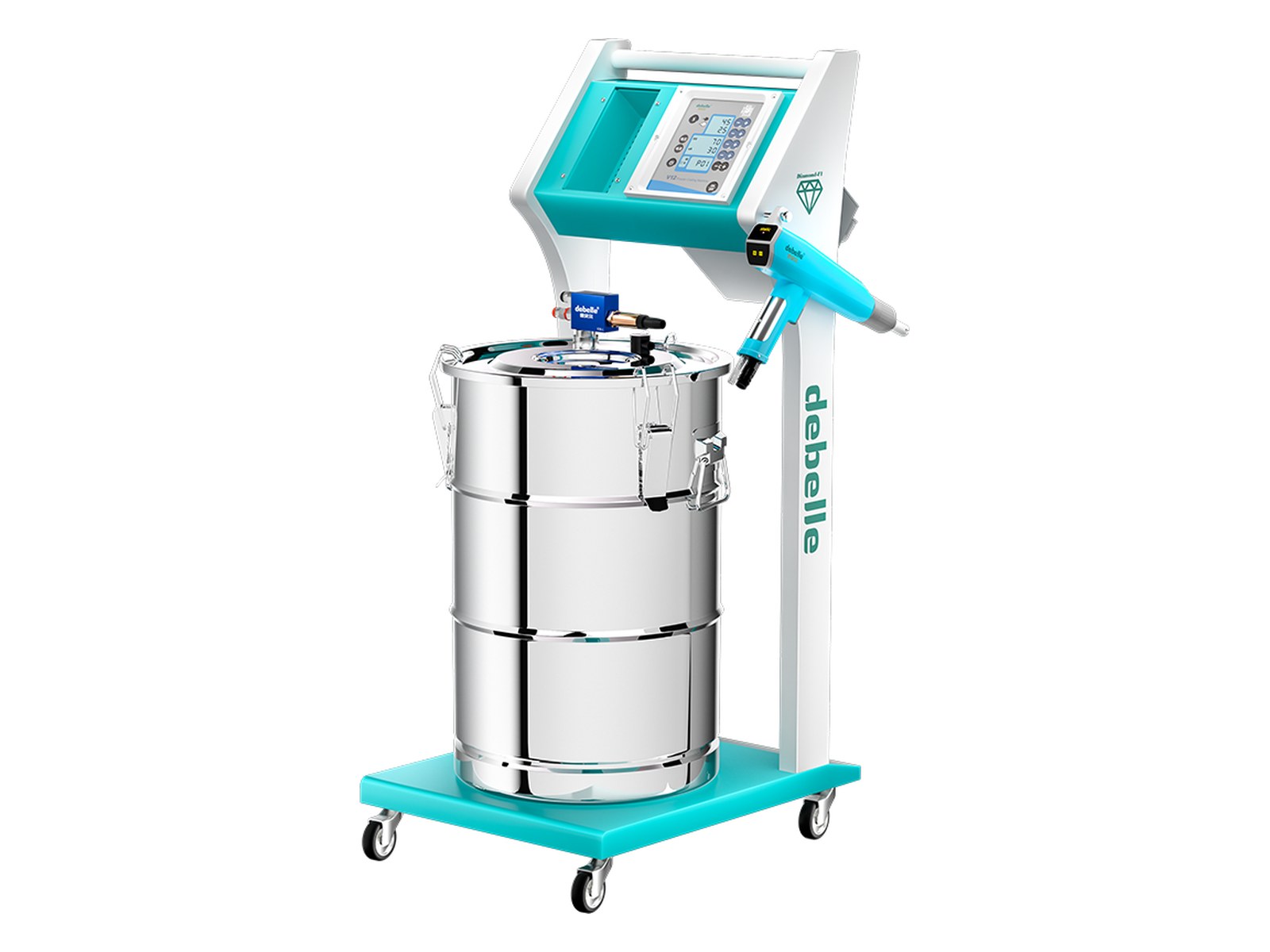
fit one manual gun at recessed and reinforcing rib positions for touch-up.
The actual number of guns is calculated from workpiece width and conveyor speed.
What We Need From You
- Maximum workpiece dimensions and shape photos
- Target film thickness range and color deviation requirements
- Daily output and existing conveyor line speed
- Powder brand and type in common use