A bare spot is any area where the substrate is visible through the coating. Appliance sheet metal parts — panels, side boards, doors, back plates — are mostly folded workpieces, and the right-angle edges and inside bends are exactly where electrostatic powder struggles to adhere: the powder does reach the area, but the electric field pushes it away. The key is to classify the defect first; blindly raising voltage or powder output usually brings orange peel along with it.
Step 1: Classify the bare spot
Sort the defect into one of three patterns, because the fixes are completely different:
- Fixed-position bare spots: every hanger shows bare spots at the same position — check hangers and grounding first.
- Edges only: film thickness on flat areas is normal, but right-angle edges, inside bends, and deep recesses are bare — Faraday cage effect.
- Everywhere: flat areas are also thin — check line speed, powder output, voltage, or the powder itself.
The test is simple: measure film thickness on a flat area, then compare visually with the edges. Flat areas fine plus bare edges means a local adhesion problem.
Step 2: Faraday cage effect — why edges repel powder
Once the workpiece is charged, field lines tend to hit surfaces at right angles. Inside corners and deep recesses, the field lines repel each other and cannot wrap into the recess, so less powder deposits there — this is the Faraday cage effect. The fix is lower voltage and softer powder output, not more voltage:
- Recessed parts reference range: 60–80 kV voltage and 30–50 μA current (flat parts normally run 70–90 kV and 40–60 μA). Dropping the voltage makes edges easier to coat and reduces edge buildup.
- Softer output: guns with a 29 kHz charging frequency deliver gentler powder flow; combined with flexible output control this weakens the cage effect and improves inside-corner coverage. On automatic guns, the atomization setting has a reference range of 10–50: lower values push powder harder (good for recessed parts), higher values spread it softer (good for flat areas).
- Narrow the pattern: switch to a smaller nozzle or adjust the spray pattern to concentrate powder on the edges; when touching up by hand, keep the gun 200–300 mm from the workpiece and pass it perpendicular to the inside bend.
For line-level configuration details, see our appliance sheet metal coating solution.
Step 3: The six-step checklist table
| Symptom |
Likely cause |
How to confirm |
Action |
| Bare spots at a fixed position |
Insulated hanger (powder buildup) |
Inspect hook contact points |
Clean hangers, set a cleaning cycle |
| Only edges and recesses |
Faraday cage effect |
Flat-area film is normal |
Drop to 60–80 kV, soften output, touch up |
| Overall film too thin |
Fast line speed or low powder output |
Measure flat-area film |
Slow the line or raise powder output |
| Intermittent bare spots |
Clogged or fouled gun outlet |
Stop and inspect the nozzle |
Clean the gun body and outlet regularly |
| Whole line suddenly affected |
Poor grounding, air pressure swings |
Test ground, read the pressure gauge |
Deepen ground rod, stabilize pressure |
| Bare spots after a new powder batch |
Poor hiding power or conductivity |
Compare batches at identical settings |
Switch to a powder with better hiding power |
Step 4: Grounding and hangers — the hidden root cause
The most common trap in field service: powder builds up on the hooks until they stop conducting, the workpiece cannot hold a charge, and powder will not stick — showing up as bare spots at the same position on every hanger. Put hangers on a scheduled cleaning cycle based on output volume; burn or scrape off heavy buildup.
On grounding, watch three points: drive the ground rod at least 2 meters into the earth near the powder booth, never attach it to light-gauge steel framing or painted cable trays; on vertical lines, tie the ground wire to the production line’s structural steel frame; and air pressure below 6 kg or swinging pressure disrupts both powder flow and static — route air lines separately from the booth and check them at the same time.
Step 5: Film thickness and the powder itself
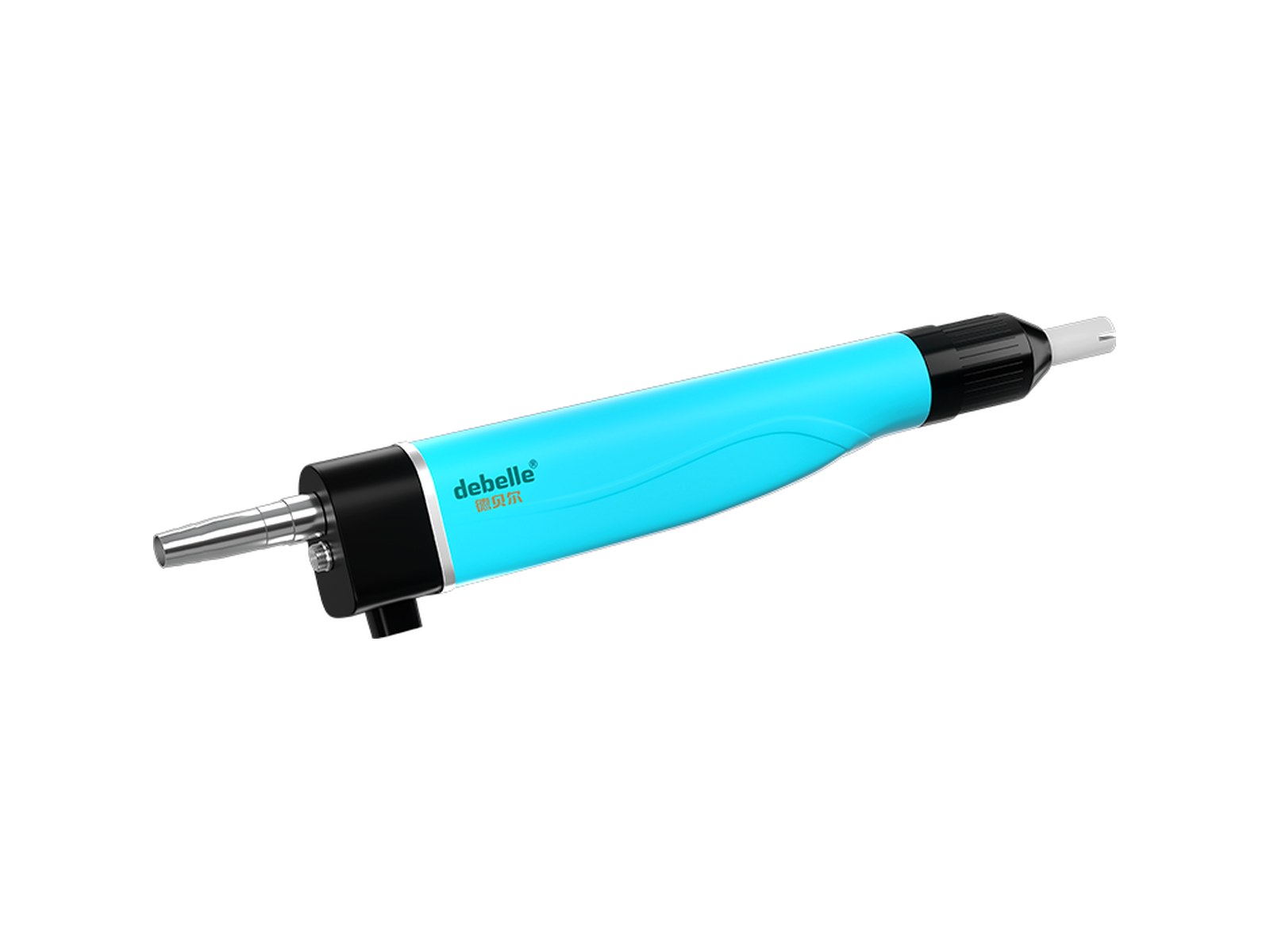
When flat-area film is thin, bare spots become far more likely, so build film up — but keep the gun 200–300 mm away and avoid pushing voltage or current too high, or orange peel takes over. If bare spots appear after switching to a new powder batch at identical settings, the powder’s hiding power or conductivity is the likely cause — contacting the powder supplier beats endlessly retuning the equipment. For edge touch-up work that needs frequent parameter changes, a manual gun with custom parameter modes helps, such as the T30L digital manual powder gun with live voltage, current, and atomization readouts.
Self-check list
Edge problems on appliance sheet metal rarely have a single cause — settings, grounding, hangers, and powder need to be reviewed together. Send us workpiece photos, bend depth, and daily output through the contact page, and we will help you pin down the cause; for uncertain cases, send a sample part for test spraying and let measured data decide the configuration.