

V12 Manual Electrostatic Powder Coating Gun
The all-round CNC machine, all in one step: 0-100kV with LCD display, 20 main programs + over 500 sub-programs storage, one-touch gun purge — covering all the capabilities of the E7 and 960.
View details →
Many shops treat transfer efficiency as a spec sheet number. It is a cost number first: for the same parts and the same film thickness, a 10 point gap in transfer efficiency can cost more powder money in a year than a new gun. This article gives you a method you can run on the shop floor, then shows where the efficiency actually leaks.
The powder that must land on the part is fixed — set by part area, target film thickness and powder density. Transfer efficiency decides how much powder you must feed to get there:
Feed weight = required powder ÷ transfer efficiency
So the share you save by improving efficiency is: 1 − old efficiency ÷ new efficiency. Plugging in a few values:
| Old transfer efficiency | Raised to | Less feed per 100 kg | Saving (from the formula) |
|---|---|---|---|
| 40 percent | 50 percent | 20 kg | 20 percent |
| 50 percent | 60 percent | 16.7 kg | 16.7 percent |
| 60 percent | 70 percent | 14.3 kg | 14.3 percent |
| 70 percent | 80 percent | 12.5 kg | 12.5 percent |
These figures are formula results; the real saving should be confirmed by weighing powder on site. The pattern is clear: the lower the starting point, the more each 10 point gain is worth. A line at 40 percent raised to 50 percent saves 20 kg per 100 kg; a line at 70 percent raised to 80 percent only saves 12.5 kg.
One worked example (all figures assumed — substitute your own weighed data): 300 kg fed per day, powder at 18 yuan per kg, 300 running days a year. Raising transfer efficiency from 50 percent to 60 percent saves 50 kg a day, or 50 × 18 × 300 = 270,000 yuan a year.
With a recovery system, count net consumption: net use = feed weight − reclaimed weight. Better transfer efficiency has a second payoff — less reclaimed powder circulating. Every extra loop of reclaimed powder adds screening and blending work: unscreened reclaimed powder carries contaminants that cause craters and particles, and over-blending causes color drift. Screen it and blend it with fresh powder at a fixed ratio. Lower circulation shrinks that quality risk too.
Low transfer efficiency is rarely a mystery — most causes on site fall into these items. Reference ranges follow the standard commissioning parameters:
| Check point | Reference range | How to judge on site |
|---|---|---|
| Voltage | 30–100kV | Too high invites orange peel and powder repulsion; too low gives poor adhesion |
| Current | 15–80μA | Too high invites orange peel; too low gives poor adhesion |
| Air pressure | ≥0.6MPa | Never below 6 kg, and no repeated fluctuation |
| Gun distance | 200–300mm | Too close means orange peel; too far means poor deposition |
| Grounding | Earth rod ≥2 m deep | Drive it near the booth; check every hanger-to-part contact |
Beyond parameters, three causes come up often: worn electrode needles and nozzles (charging efficiency drops — replace on the wear-parts schedule); too high a share of reclaimed powder (overall charging performance degrades); and parts hung too densely (sides and cavities get no powder, dragging down the line-wide figure).
Before touching parameters, do two things. First, grounding: electrostatic deposition assumes charge can reach the part; a shallow earth rod or powder-caked, insulating hangers defeat any parameter tuning. Second, air supply: unstable air makes output and atomization wander, and film thickness moves with them.
Once those pass, set voltage and current by part type, per the commissioning manual: recessed parts 60–80kV at 30–50μA; recoated parts 20–40kV at 10–30μA; flat parts 70–90kV at 40–60μA. Record film thickness and powder use at every step change, and let the data pick the setting. Automatic lines reduce operator variance — an automatic gun adjusts current and voltage by the needle-to-part distance, such as the V12 automatic powder gun, so settings do not drift between shifts.
Send photos of your parts, sizes, daily output and current monthly powder use through the contact page, and we will run this math with you. For parameters you are unsure about, start with a sample spray test and let measured data decide the configuration.
Models commonly used in this situation — tell us your workpiece and we confirm the fit:
The all-round CNC machine, all in one step: 0-100kV with LCD display, 20 main programs + over 500 sub-programs storage, one-touch gun purge — covering all the capabilities of the E7 and 960.

CNC automatic flagship with one-touch gun purge, multi-gun interlock control, and cross-backup control units that keep production running — the core solution for large powder booth automatic lines.

DEBELLE's classic entry-level manual electrostatic powder coating gun with adjustable 0-85kV output and automatic voltage tracking by gun distance. A cost-effective choice for flat panels and small-to-medium batches.
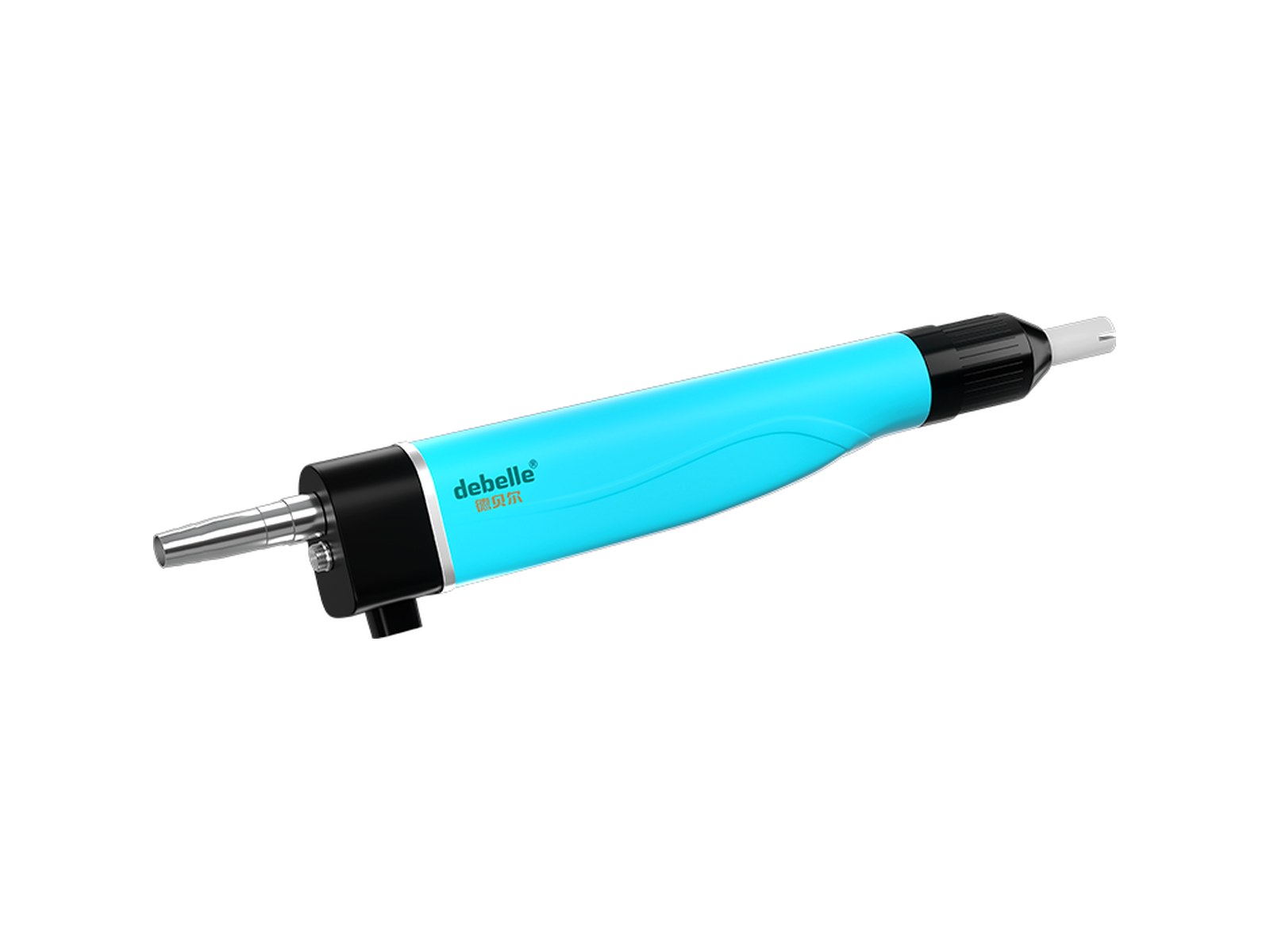
The high-end automatic gun of the V series and the gun head platform of the Kingkong F1 automatic version — usable standalone on automatic lines or combined with the F1 control cabinet.
Provide workpiece dimensions, material and daily output — we deliver selection advice and a configuration list.