

V12 Manual Electrostatic Powder Coating Gun
The all-round CNC machine, all in one step: 0-100kV with LCD display, 20 main programs + over 500 sub-programs storage, one-touch gun purge — covering all the capabilities of the E7 and 960.
View details →
When buyers ask how long a new powder coating line takes to pay for itself, the math is one division: total investment divided by yearly net savings. The formula is simple; the mistakes hide in four variables — an investment list with missing items, powder consumption estimated instead of measured, labor and energy calculated on ideal shifts, and rework costs never counted at all. This guide breaks each variable down so you can plug in your own numbers.
The quotation for the core equipment is only part of the picture. Include these items when you estimate the total:
| Investment item | What often gets missed |
|---|---|
| Guns and powder supply system | Spare gun, first batch of wear parts |
| Air compressor and air treatment | Usually a buyer-supplied item, absent from many quotations |
| Site condition upgrades | Stable compressed air above 6 kg, a 2 m deep ground rod near the booth, 220 V supply |
| Installation, commissioning, training | Usually included in the supply scope, but verify line by line |
| Recovery and curing equipment | Airflow matching, oven curve commissioning hours |
Air supply is a common gap in investment math: for a horizontal line the compressor package often falls in the 30 kW range; for a vertical line, roughly 90 kW with two booths and 110 kW with three — confirm against the air system sizing proposal. The three site prerequisites (stable air pressure, proper grounding, power capacity) decide something else: if they fall short, the line still installs, but it will not spray stably, which means you paid full price for half a line.
Powder is one of the main running costs of a powder coating line, and it is usually where the savings are. Three factors on the shop floor move this number:
To measure consumption, skip the supplier coefficients. Use material-issue records or weigh the powder hopper for two consecutive weeks and work out kilograms of powder per ton of parts.
Do not calculate labor savings as “automation means nobody”. Calculate the headcount difference: an automatic line runs all guns from one control cabinet with one-button gun purging, and the operators per shift differ from a manual line. Multiply that difference by local wages and the number of shifts — that is the real labor line.
Energy has two parts: compressor power × running hours × electricity price, and the oven’s heat-up plus holding consumption. Both can be measured with sub-metering; do not spread the whole factory electricity bill across the line.
Maintenance is a fixed yearly cost. Apply the wear-part replacement cycle:
| Wear part | Suggested replacement interval | Note |
|---|---|---|
| Venturi pump | Per spray volume, about 3–6 months | Adjust to working conditions |
| Inner powder hose | 1–3 months | More frequent on automatic guns |
| Nozzle | 6–12 months | Longer if impact is avoided |
| Electrode pin | 3–6 months | Depends on voltage setting |
| Seal ring | 6 months | Preventive replacement |
| Solenoid valve | 12–24 months | Lasts longer with a filter |
Interval × unit price gives the yearly wear-parts bill for the line.
Counting only powder and electricity misses a hidden cost: rework. Metallic-powder color drift between batches, bare spots on recessed parts, orange peel on recoated parts — every reworked part consumes powder, power and labor twice, and it occupies capacity that new parts could have used.
Before running the numbers, record the current state for one month: how many parts are reworked, and how much powder and labor each one costs. Once it enters the yearly-savings equation, this variable often shows the widest swing of the four, and it is the one most often left out.
Payback period ≈ total investment ÷ (yearly powder savings + yearly labor savings + yearly energy difference + yearly rework loss reduction − yearly wear parts)
Where the five numbers come from:
| Number to plug in | Where to get it |
|---|---|
| Powder consumption | Material-issue records or hopper weighing, two consecutive weeks |
| Rework rate | QC rework log, monthly totals |
| Power consumption | Sub-metering on the compressor and the oven |
| Labor | Shift schedule × local wages × shifts |
| Total investment | Quotation plus buyer-supplied items, checked line by line |
Two cautions: take every number from the same time window (two weeks to one month of measured values), never mixing peak and off-season data; and the result is sensitive to operating rate, so use your real production days, not a full calendar year.
Send us photos and dimensions of your parts, your daily output and your current powder consumption records. We will walk through the four variables with you and propose a line configuration to match, with sample spraying first when needed, so the payback math stands on measured data. Reach us through the contact page.
Models commonly used in this situation — tell us your workpiece and we confirm the fit:
The all-round CNC machine, all in one step: 0-100kV with LCD display, 20 main programs + over 500 sub-programs storage, one-touch gun purge — covering all the capabilities of the E7 and 960.

CNC automatic flagship with one-touch gun purge, multi-gun interlock control, and cross-backup control units that keep production running — the core solution for large powder booth automatic lines.

DEBELLE's classic entry-level manual electrostatic powder coating gun with adjustable 0-85kV output and automatic voltage tracking by gun distance. A cost-effective choice for flat panels and small-to-medium batches.
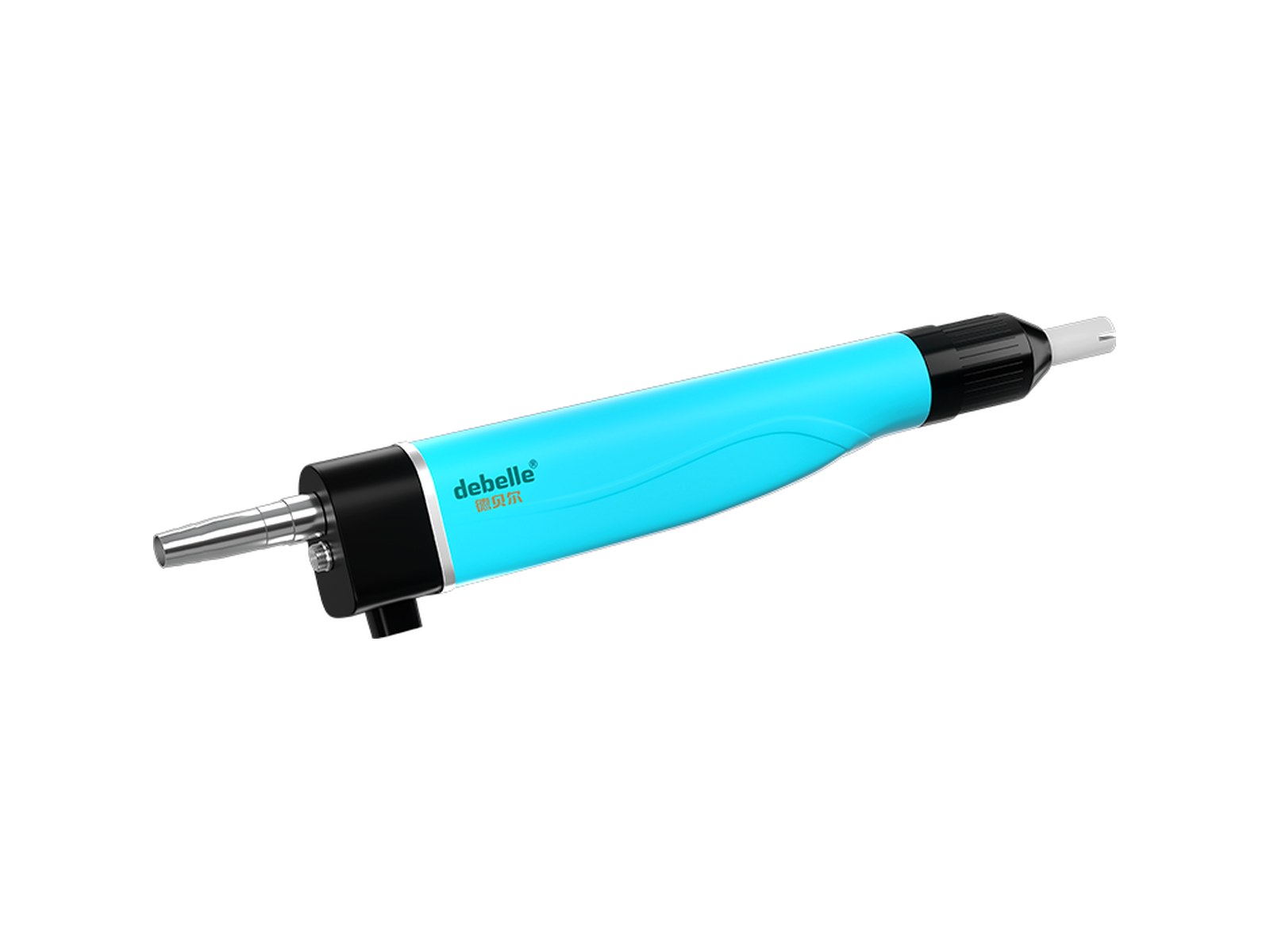
The high-end automatic gun of the V series and the gun head platform of the Kingkong F1 automatic version — usable standalone on automatic lines or combined with the F1 control cabinet.
Provide workpiece dimensions, material and daily output — we deliver selection advice and a configuration list.