

V12 Manual Electrostatic Powder Coating Gun
The all-round CNC machine, all in one step: 0-100kV with LCD display, 20 main programs + over 500 sub-programs storage, one-touch gun purge — covering all the capabilities of the E7 and 960.
View details →
The output of a powder coating line is not set by the spray gun. It is set by the narrowest section of the flow. Most workshops that feel crowded have nothing wrong with the guns: the loading area sits right at the booth door, there is no room to cool parts after the oven, and unloading shares a walkway with rework, so three people do the work of two.
A layout only has to answer three questions: where parts enter, how far they travel, and where people wait for them. Below, the four zones in order.
Loading, spraying, curing, unloading. That order does not change. What you can change is the length of each zone and the distance between them.
Leave at least one hanger buffer position between zones. Its job is not storage; it lets the chain keep running when one zone hesitates.
| Zone | Main job | Layout point | Typical mistake |
|---|---|---|---|
| Loading | Sort defects, hang parts | Keep incoming parts separate from hanger circulation; aisle wider than the hanger swing | Overlaps the booth door, people and trolleys share one path |
| Booth | Apply powder | One free hanger position in, one out; recovery and exhaust clear of the aisle | Parts stop in front of a gun |
| Oven | Melt and cure | Derive chain speed from cure time; add a transition section at the exit | Parts go straight to unloading with no cooling |
| Unloading | Cool, inspect, rework | Rework bench beside unloading, not back at loading | Rework parts travel the whole line twice |
General-purpose powder is usually cured at 150 to 200 degrees Celsius for 15 to 20 minutes; the powder supplier’s process sheet takes precedence. The formula is simple:
Chain speed (m/min) = effective oven length (m) ÷ cure time (min)
Three oven lengths show how much the oven sets the takt:
| Effective oven length | Chain speed at 15 min cure | Chain speed at 20 min cure |
|---|---|---|
| 20 m | 1.3 | 1.0 |
| 30 m | 2.0 | 1.5 |
| 40 m | 2.7 | 2.0 |
Values in m/min. What you get is a ceiling, not a target. Push the chain faster and the first defect is bare substrate: when gun travel speed and chain speed are too high, film build cannot keep up. Chain speed also has to match the reciprocator; a fast chain with a slow stroke produces light and dark banding on the part. Slowing the chain costs output, so if capacity is short, the honest fix is oven length, not a higher chain speed.
This is often treated as operator habit. It is a layout parameter.
So hanger pitch is set by part thickness and groove depth, not by how many hangers you own. The check is direct: after a batch, look at how much powder has built up on the hangers, and compare the colour on the sides and in the recesses with the face. Then adjust pitch and powder output.
Parts leaving the booth carry loose powder. One hard stop or one knock on the conveyor and it falls off. That section needs three things:
The booth itself has to be sealed and its recovery has to keep up, otherwise powder escapes through the gaps and someone ends up sweeping it. When choosing automatic guns, look for chain interlock: powder starts when the chain starts and stops when the chain stops, which removes one person whose job is standing by the switch. A control panel that reaches the operator’s position also saves walking for every parameter change. These options appear in the specification table of an automatic powder gun and are worth one question during selection.
Sending rework back to loading means a second full pass down the line plus one hanger position lost. The right place is beside unloading: parts pulled at inspection go straight to the bench, are rehung, resprayed, and travel the shortest distance.
Post-cure checks belong here too: whether temperature and time were met, adhesion, appearance. If a sample fails, suspect curing first and pretreatment second.
| Symptom | Likely layout cause | How to confirm |
|---|---|---|
| Regular bare patches | Load too tight, parts touching; chain too fast | Leave two hanger positions empty and spray one part; drop chain speed by 0.3 m/min and compare |
| Orange peel at top and bottom | Reciprocator stroke ends set wrong; load too sparse | Clamp a square tube at each end and spray a test part |
| Particles on the surface | Oven ash; booth not sealed | Clean the oven chamber and compare the same batch; check for powder in booth gaps |
| Craters | Chain lubricant on parts; oil or water in the air line | Run a batch with the chain oiler off; drain the receiver and compare |
| Dirt after colour change | Cleaning position not separated from spraying position | Watch whether parts sit inside the booth during colour change |
Send us your workshop plan with part dimensions, daily output and current chain speed, and we will check the takt with you in this order, starting with whether the bottleneck is the oven or the booth. If it helps, we can spray samples first and size the configuration on measured film build and deposition. Contact us
Models commonly used in this situation — tell us your workpiece and we confirm the fit:
The all-round CNC machine, all in one step: 0-100kV with LCD display, 20 main programs + over 500 sub-programs storage, one-touch gun purge — covering all the capabilities of the E7 and 960.

CNC automatic flagship with one-touch gun purge, multi-gun interlock control, and cross-backup control units that keep production running — the core solution for large powder booth automatic lines.

DEBELLE's classic entry-level manual electrostatic powder coating gun with adjustable 0-85kV output and automatic voltage tracking by gun distance. A cost-effective choice for flat panels and small-to-medium batches.
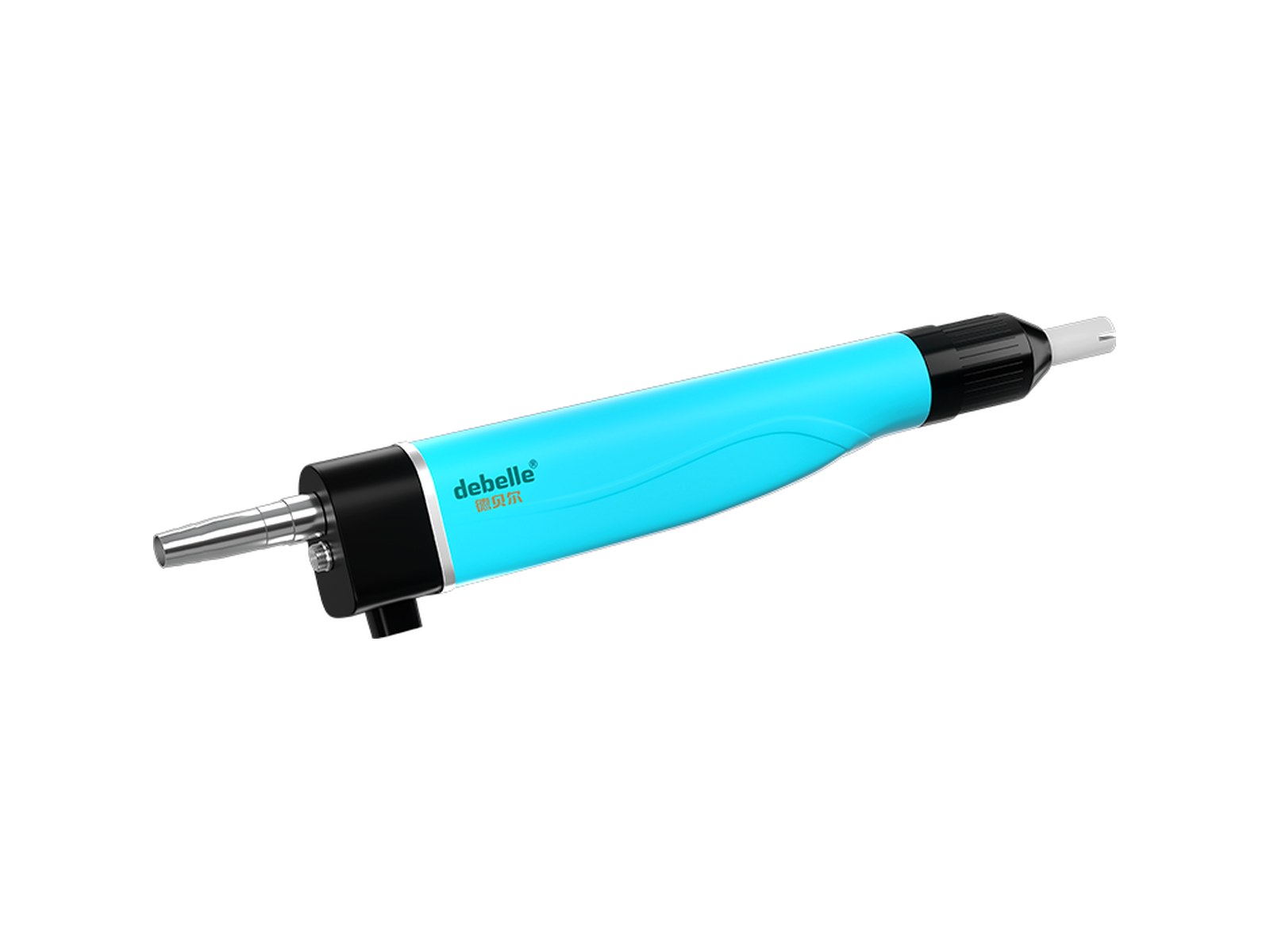
The high-end automatic gun of the V series and the gun head platform of the Kingkong F1 automatic version — usable standalone on automatic lines or combined with the F1 control cabinet.
Provide workpiece dimensions, material and daily output — we deliver selection advice and a configuration list.