Put two powder coating equipment quotations side by side and the totals differ. Before picking the cheaper one, check what is actually included — the gap is usually not the equipment itself, but the items that never made it onto the sheet. In a complete powder coating line, the guns, control units and powder supply are only part of the picture; what a quotation covers and what it excludes decides both your budget and your schedule.
Draw the boundary first: what the quote includes and what it does not
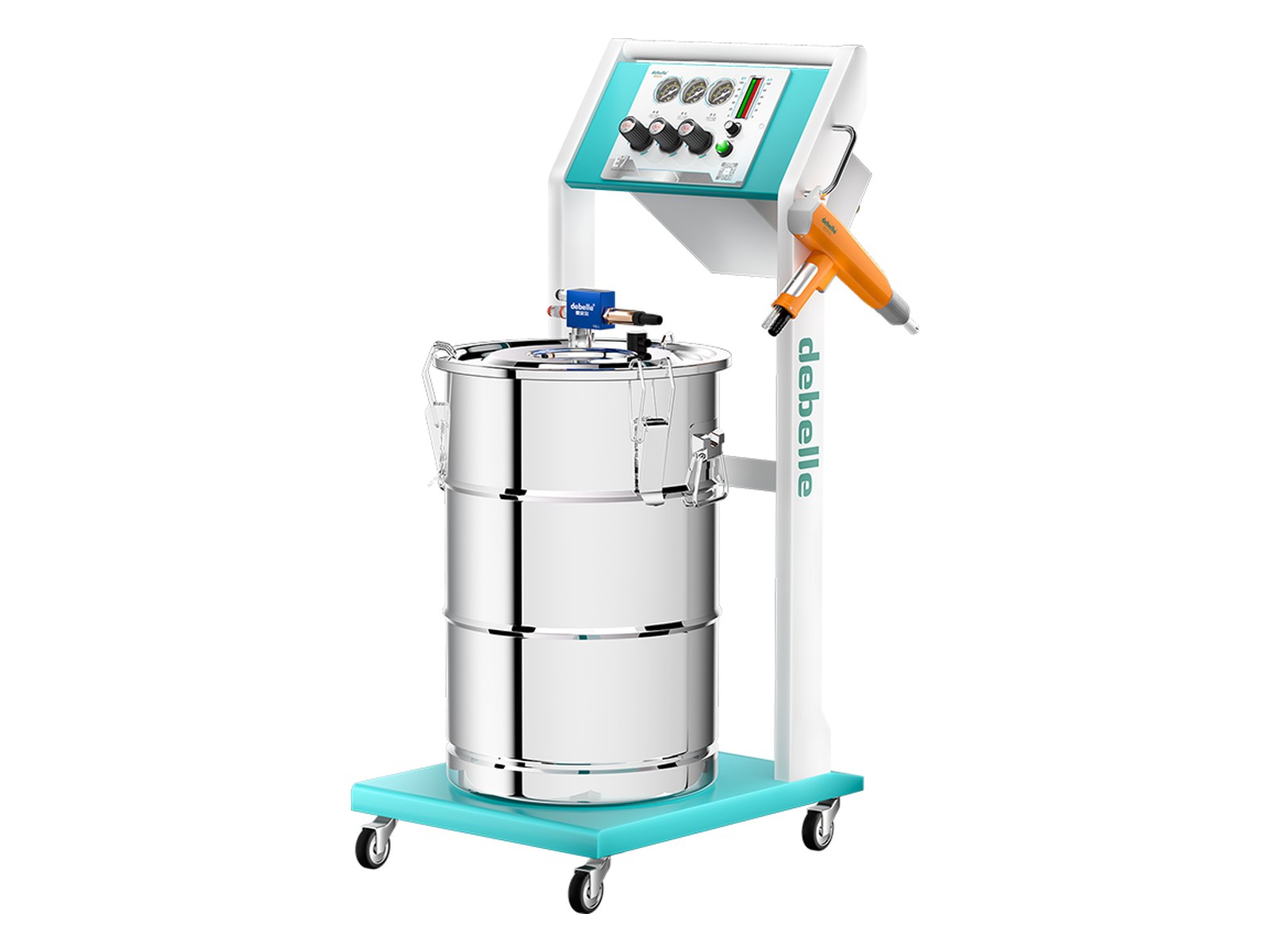
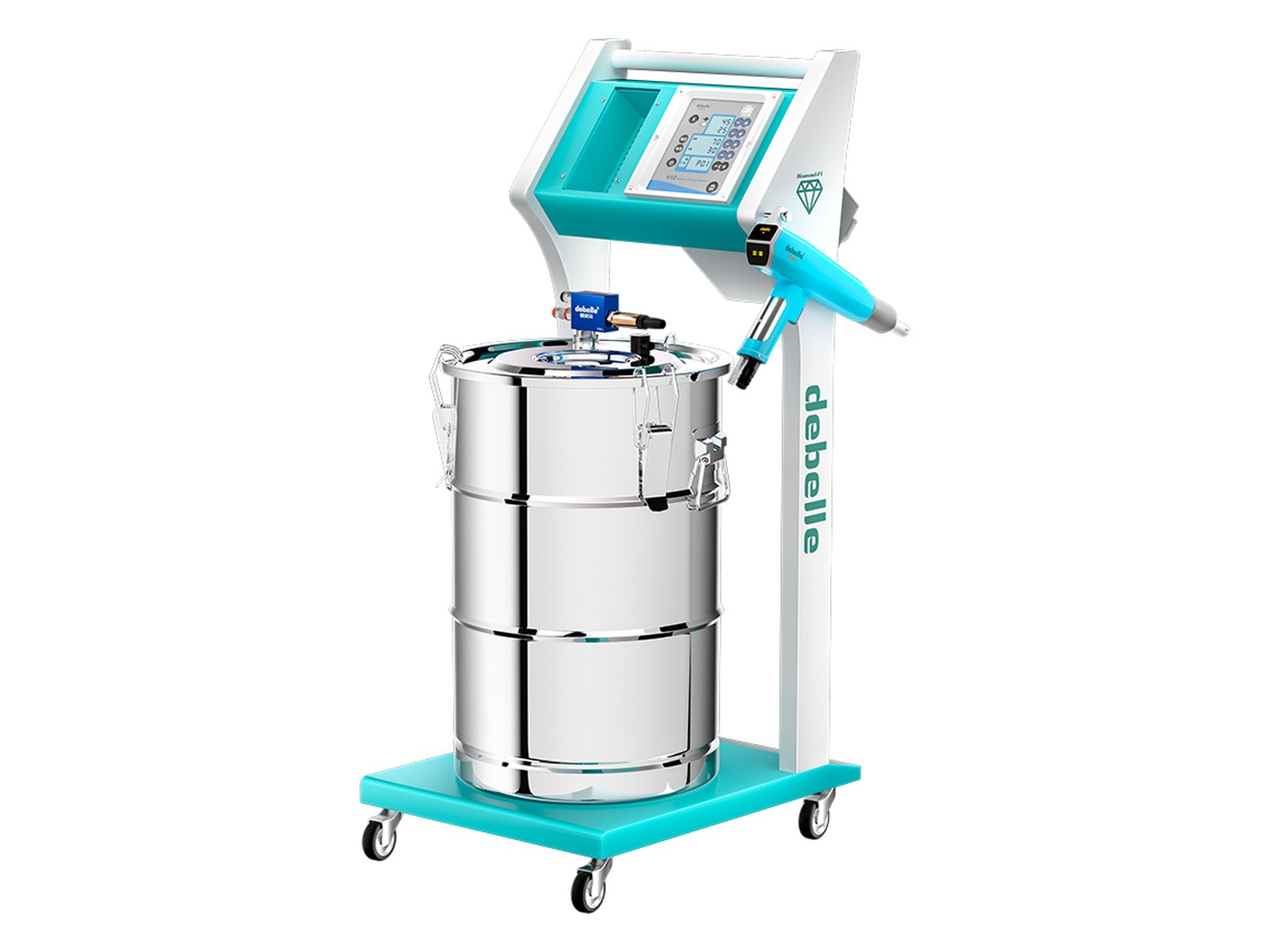
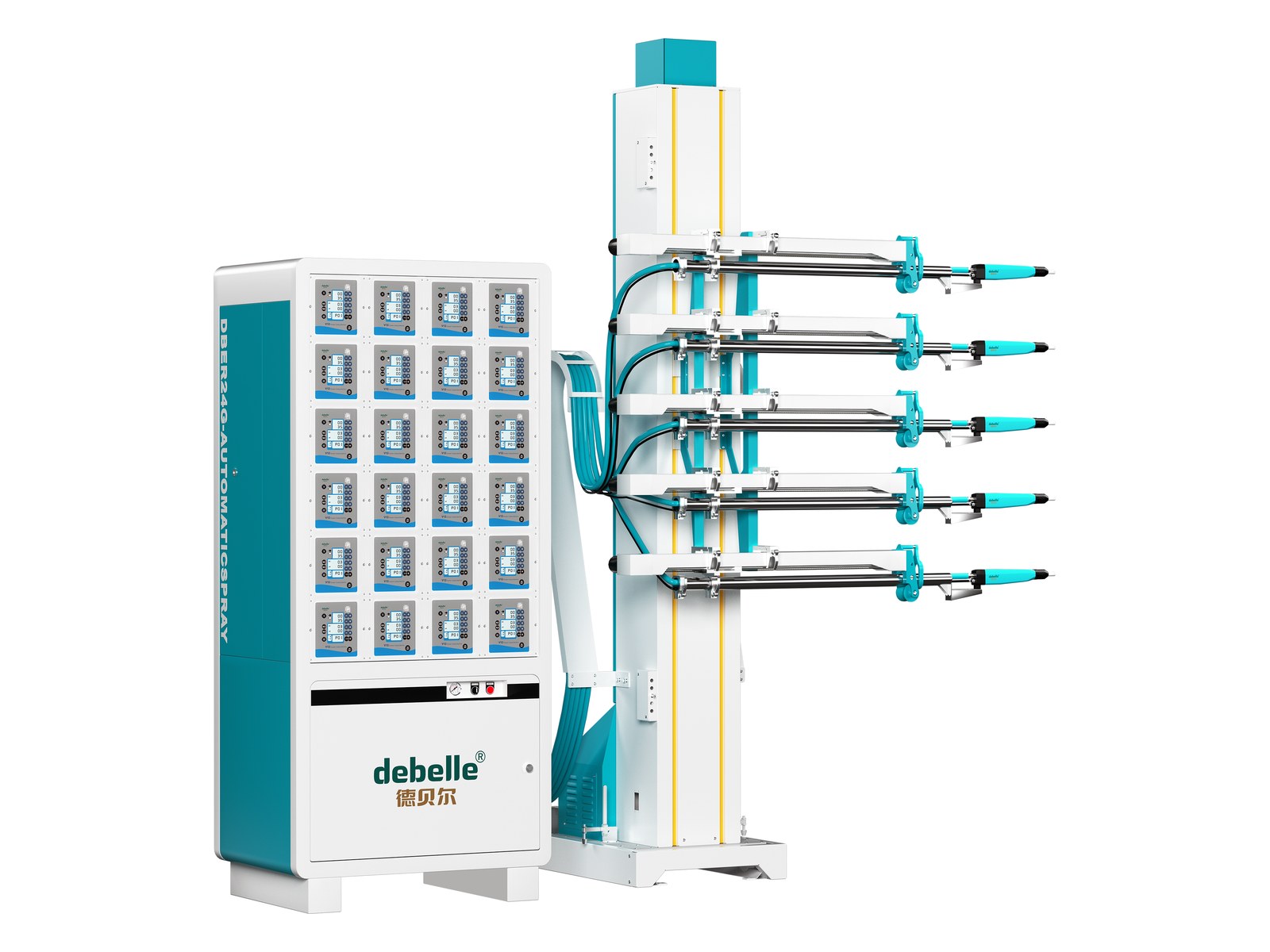
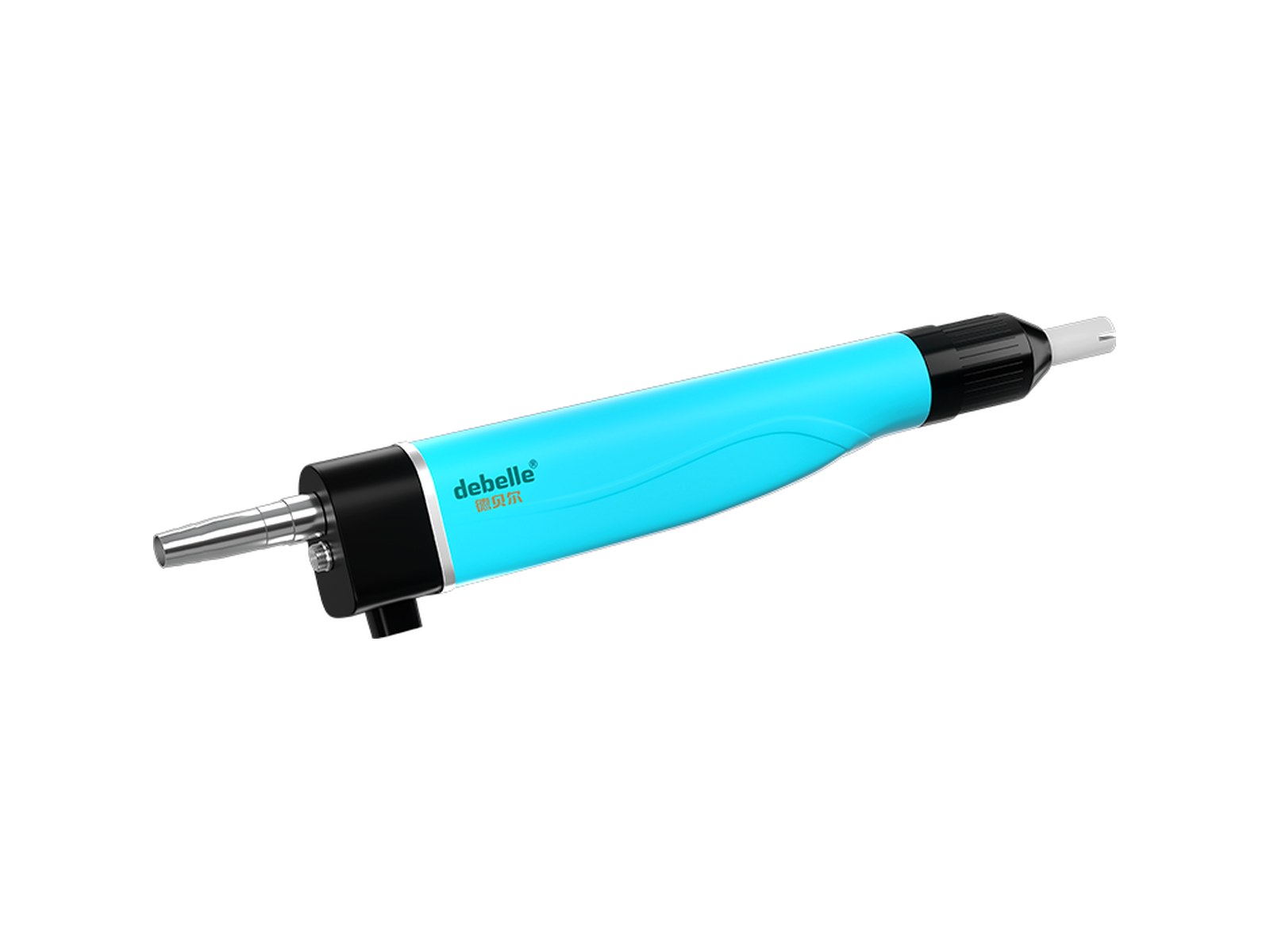
For a complete powder coating line, the supplier normally covers only part of it. A typical package quotation lists the equipment itself: guns, control units, powder supply (or powder center), and recovery units — you can line this up item by item against the product list. The coating line structure, powder booth, pre-treatment, air compressor and power supply are normally the buyer’s responsibility and must be installed before the equipment arrives. Export contracts usually carry a dedicated “buyer’s installation conditions” clause for exactly this boundary.
The table below lists six spots that quotations tend to skip. Run any quote through it first:
| Often-missed item |
How it usually appears |
What to ask |
| On-site installation cost |
“Installation and commissioning included” |
What do remote guidance and on-site service each cover; who pays travel and labor |
| Buyer-side items |
Often outside the quote |
Who prepares power, air supply, grounding rod, test powder |
| Tax and shipping |
“Tax included” / “tax and freight included” |
Which tax rate, which trade term |
| Payment milestones |
Half as deposit, balance after acceptance |
Is the acceptance criterion written down |
| Lead time |
X working days after payment |
Counted from which day, for which configuration |
| Wear parts and options |
Marked “optional” in the parts table |
What ships with the machine, what does a top-up order cost |
Installation and commissioning: who installs, who pays the travel
“Includes installation and commissioning” can mean very different things. Common terms: remote (phone or video) installation guidance and training are free of charge; if the buyer requests an engineer on site, travel costs are borne by the buyer and labor is charged per day. In domestic quotations, freight, installation, commissioning and operator training are often listed as complimentary items — when you see “free”, confirm it is written into the contract body, not just said out loud.
On-site installation commonly takes one to two days, provided the site is ready. One clause is easy to overlook: if the site is not ready and the engineer cannot proceed, who covers the waiting time? The contract should say so. Also check when the warranty starts — most contracts count from acceptance or completion of installation. Every day the site stays unprepared pushes that starting date back.
Buyer-side items: power, air, grounding and test powder
A second budget line usually sits outside the quotation. Contracts normally list what is outside the supplier’s scope: the power supply for installation, the compressed air and drying system, piping layout for all input air, the grounding rod, consumables such as test powder, and site ventilation.
For air supply, a common manufacturer baseline reads: roughly 0.2 cubic meters per minute per gun, inlet pressure above 6 bar (0.6 MPa), air dried and filtered, with the gun air line separated from the booth air line. Compressor sizing suggestions usually appear in the proposal: about 30 kW for a horizontal line, about 90 kW for a vertical line with two booths — confirm against the proposal and your actual air consumption. The grounding rod goes into the ground near the booth; depth and the grounding-resistance limit follow the contract wording, commonly a rod depth of 1.5 to 2 meters and a workpiece grounding resistance not exceeding 100 kΩ.
If these are missing, the equipment arrives and simply cannot be installed. Every delayed installation day delays acceptance — and with it, the warranty clock.
Price basis: tax, freight, trade terms, payment and validity
When comparing identical models, align four baselines first. First, tax: domestic quotes state whether tax is included and at which rate — the gap between a tax-inclusive and a tax-exclusive price is real. Second, freight: some quotes include delivery, others are ex-works pickup only. Third, for export quotes check the trade term: the distance between EXW and door delivery is more than freight — it also covers customs and insurance. Fourth, payment: three patterns are common — half as deposit at signing with the balance after acceptance; full payment before shipment; and prepayment for parts orders. The cash-flow impact differs, so put it into the total ledger.
Also note the quotation validity period, commonly one month. Expired quotes need reconfirmation, especially where custom parts are involved.
Where the lead time starts
Numbers like “10 working days” almost always count from the day payment arrives, not from signing. Parts orders commonly ship within 10 working days after payment; complete machines and full lines vary by configuration, commonly within a range of 5 to 25 days. Non-standard items — extended hose, custom nozzles — stretch the lead time; if the quote is silent, ask before you order.
Lead time and acceptance are chained: late delivery or a late site means late acceptance, and late acceptance means a late warranty start. Read the three on one timeline instead of taking any single number at face value.
Wear parts and options: the ledger behind the quote
Read the parts table line by line, watching two groups. One is wear parts — venturi tubes, inner powder hoses, nozzles, discharge electrodes, seals and solenoid valves — each with a replacement cycle tied to spraying volume:
| Wear part |
Common replacement cycle |
Note |
| Venturi tube |
3–6 months |
By spraying volume, adjust per conditions |
| Inner powder hose |
1–3 months |
More frequent on automatic guns |
| Nozzle |
6–12 months |
Avoiding knocks extends life |
| Discharge electrode |
3–6 months |
Depends on voltage setting |
| Seal |
Around 6 months |
Preventive replacement |
| Solenoid valve |
12–24 months |
A filter unit extends life |
If the quotation excludes spares, budget for the first production year yourself. Whether spares share the same factory and the same models as the machine decides how much stock you actually need.
The other group is optional items: central touchscreen control, PLC and light-grid systems are often marked “optional” in the parts table. Skip them at signing and adding them later means a fresh purchase order at top-up prices and lead times. Decide each option on the spot and write it down — no “we’ll see later”.
Quotation checklist
Send us photos of your workpieces, their dimensions and your daily output, and we will go through your quotation against this boundary list — what is covered, what is missing, in one pass. Where useful, we send samples for test spraying first, so the configuration is decided on measured data. Reach us through the contact page.