

V12 Manual Electrostatic Powder Coating Gun
The all-round CNC machine, all in one step: 0-100kV with LCD display, 20 main programs + over 500 sub-programs storage, one-touch gun purge — covering all the capabilities of the E7 and 960.
View details →
Powder coating guns split at one point: how the powder gets charged. Corona guns (the ones usually called electrostatic guns) charge powder with a high-voltage field. Tribo guns charge it by friction against the barrel wall. The charging method decides how powder flies, and that decides which gun fits your parts. Pick the wrong direction and the cost is not a small parameter gap — it is recesses that never coat, or flat panels that take too long.
A corona gun has a high-voltage module inside the gun body that concentrates the charge between the electrode and the workpiece. Powder crossing the field picks up a strong charge and deposits fast. But the field works both ways: while it pulls powder toward the front face, already-charged coating pushes incoming powder away. On grooves, cavities and deep corners the field lines cannot reach, so powder hangs at the opening and gets pushed back. This is the Faraday cage effect, and on the shop floor it looks like thin or missing coating in inner corners, bores and slot bottoms.
A tribo gun works differently: no high-voltage generator, no electrode. Powder charges by rubbing through a PTFE barrel. The charge is mild and there is no external field pushing the powder around, so it mostly follows the airflow — which is why it penetrates cavities well, and why there is no high-voltage arcing risk. The trade-offs: each particle carries less charge, deposition is slower, so reaching the same film thickness on flat panels takes longer. Friction charging also depends heavily on powder formulation and humidity; switch powder and the charging behavior can change noticeably.
| Dimension | Corona (electrostatic) | Tribo (friction) |
|---|---|---|
| Charging method | High-voltage module plus electrode | Friction against a PTFE barrel |
| Flat panels | Fast deposition, film builds quickly | Milder deposition, longer to reach the same thickness |
| Grooves and cavities | Limited by Faraday cage effect; compensated by gun distance and powder feed | Powder follows airflow, penetrates cavities well |
| Electrical aspects | High voltage present; workpiece must be well grounded, arcing must be controlled | No external high voltage, no electrode |
| Powder requirements | Works with standard powders | Depends on tribo-grade formulations, sensitive to humidity |
| Daily maintenance | Electrode fouling, HV module condition, grounding circuit | Barrel inner-wall wear |
| Typical parts | Flat panels, profiles, regular large surfaces | Cavities, deep slots, irregular parts dominated by corners |
Either way, after a powder change or a season change, spray a few test parts to confirm charging behavior before running a batch.
When in doubt, send the part photos and dimensions to the manufacturer for a trial spray. Film-thickness data from the recess positions tells you more than any spec sheet.
Choosing a powder coating gun is not about bigger numbers; it is about matching the charging method to the part shape. Send your part dimensions, cavity locations and daily output to the contact page, and we will work through this logic with you — with a trial spray first if needed, so the decision is based on measured data.
Models commonly used in this situation — tell us your workpiece and we confirm the fit:
The all-round CNC machine, all in one step: 0-100kV with LCD display, 20 main programs + over 500 sub-programs storage, one-touch gun purge — covering all the capabilities of the E7 and 960.

CNC automatic flagship with one-touch gun purge, multi-gun interlock control, and cross-backup control units that keep production running — the core solution for large powder booth automatic lines.

DEBELLE's classic entry-level manual electrostatic powder coating gun with adjustable 0-85kV output and automatic voltage tracking by gun distance. A cost-effective choice for flat panels and small-to-medium batches.
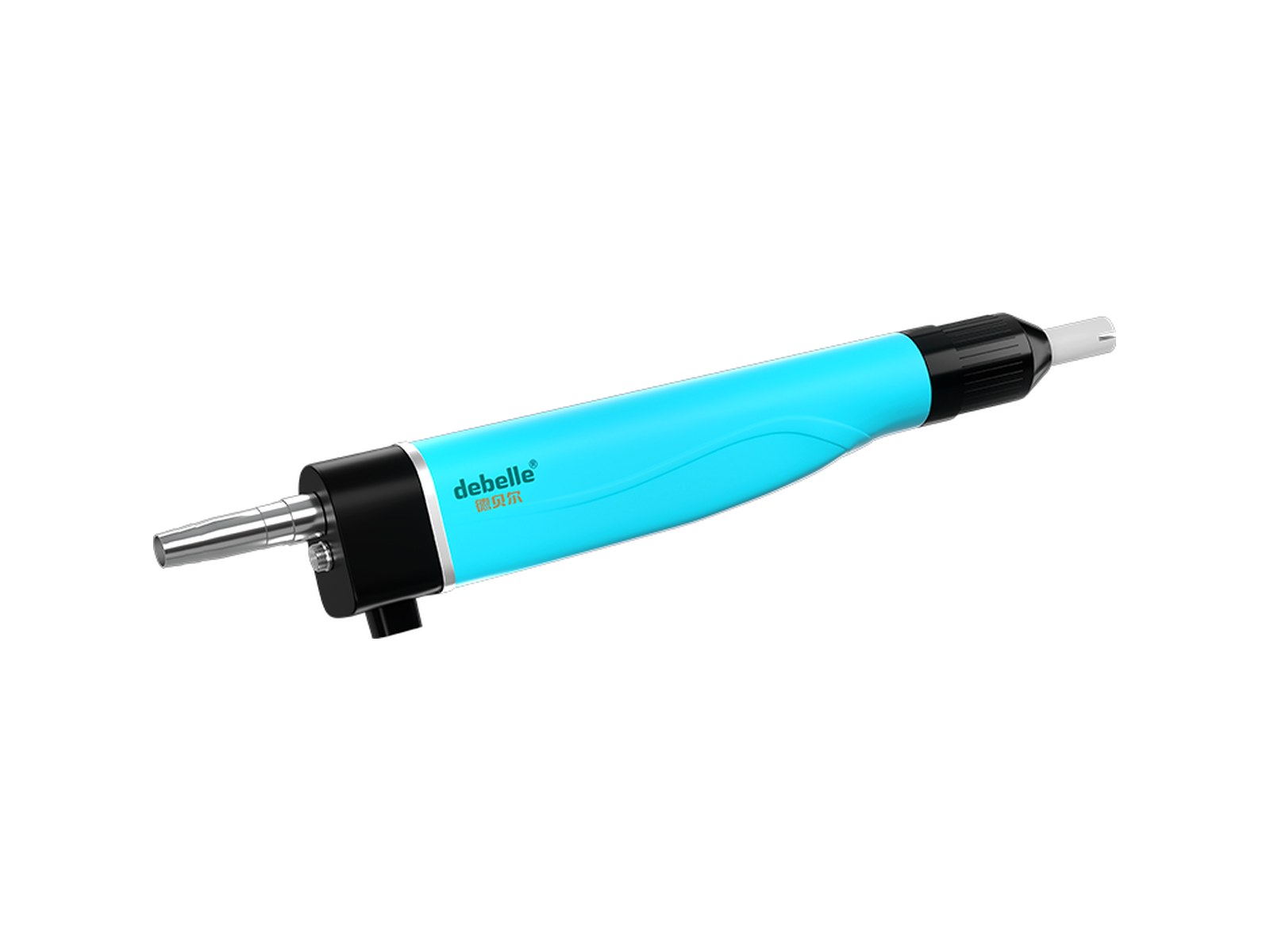
The high-end automatic gun of the V series and the gun head platform of the Kingkong F1 automatic version — usable standalone on automatic lines or combined with the F1 control cabinet.
Provide workpiece dimensions, material and daily output — we deliver selection advice and a configuration list.